

 设为首页
加入收藏
设为首页
加入收藏
Bill Gates, the biggest billionaire and donor

Microsoft Corp co - founder and chairman Bill Gates' software empire has made him the richest person in the world. Gates' net worth was US $ 36.4 billion in 1998. A year later, his net worth jumped 40 per cent to US $ 51 billion.
Bill Gates and his wife Melinda donated US $ 300 million more to charitable causes in the past year than did the US Government, according to a newspaper published on December 24. The Bill and Melinda Gates Foundation made 60 separate grants from November 1, 1999 to October 30, 2000, totaling US $ 1.44 billion. This compares with US $ 5 billion given by all industrialized countries.
"The world hasn't been allocating its resources properly in global health." Gates says. "Rich governments should be doing more."
Only seven health workers are employed at his foundation. He has endowed the foundation with US$21.8 billion, earmarking over US $ 2 billion for global health since late 1997.
Poor child
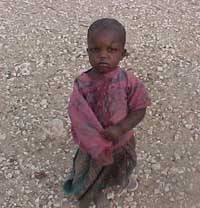
The shocking truth about the world's children
In Latin America, more than 100 million children work and live in the street.
Each day, 34,000 children die of hunger and preventable diseases. Ever year,
the deaths of six million children under five are directly or indirectly caused by malnutrition (营养不良). Of the 190 million working children in the 10—14 year age group, three quarters work six days a week or more.
In developing countries, one out of every four children between the ages of 5 and 14 years is working.
in the past ten years, two million children have been killed in wars. An estimated six million have been seriously injured.
Each year, 8,000 children are killed or maimed(致残) by landmines(地雷) .
Of the 130 million children who are not able to attend primary school, two thirds are girls.
In Australia, the rate at which babies die is 5.8 per 1,000 births. In Africa, the rate is 91 for the same number of births.
Some tips for studying before the test
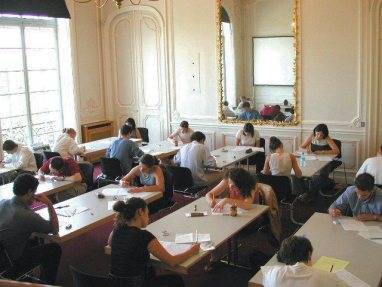
Tests are a way for you and your teacher to measure how well you have learned the material covered by the class. Think of them as a challenge(挑战)! Here are some tips for studying before the test.
1. Be sure to find out ahead of time:
what material the test will cover what type of test it will be( multiple choice, true or false, short answer, essay) how the test will be graded, how much the test will count toward the final grade.
2. Study in a place that is free of distractions(分心). Have ready all the things you will need, such as paper, pens, or a calculator.
3. Study at a time when you are alert and not hungry or sleepy.
4. Don't wait until the last minute to study! Short daily study sessions are better than one long session the night before the test.
5. Set a goal for each study period. If you are to be tested on three chapters, set up four study sessions, one for each chapter and one for a review of the main ideas in all three chapters.
6. Repetition is key! Read and reread your class notes and the related chapters in the textbook.
7. While you are reviewing your notes, cover them up periodically and summarize them out loud. Pretend that you are explaining the material to someone else.
8. Create your own study aids. Make an outline from your notes or just the main ideas.
Make a timeline of important dates or the order of events. Make flashcards for studying vocabulary or events and important dates. Make up your own quiz or test based on your notes and have a friend, parent or brother & sister test you.
9. Do any practice exams or study sheets provided by the teacher. These will help you focus your study session and give you confidence.
10. Get help from the teacher if you do not understand something.
 当前位置:
当前位置: